English
 Spanish
 French
 Arabic
 Portuguese
 Russian
 Chinese
Top South America Chile OEM Dry Primary Battery Manufacturer & Supplier from China
Explore the South America Chile battery market, including carbon zinc, alkaline, lithium and rechargeable batteries, battery regulations, recycling, energy storage and private-label opportunities from China Huatai Battery Group.
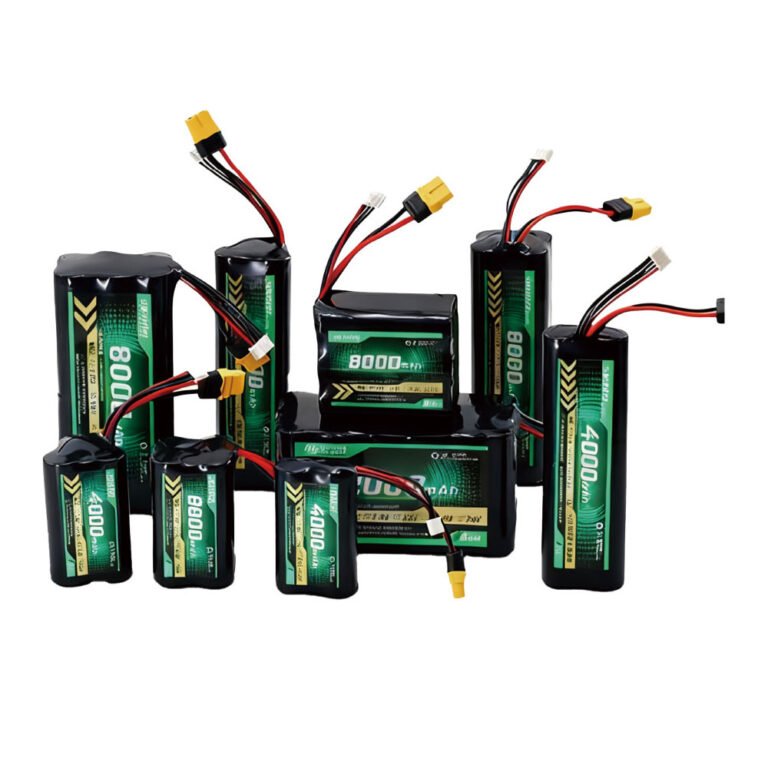
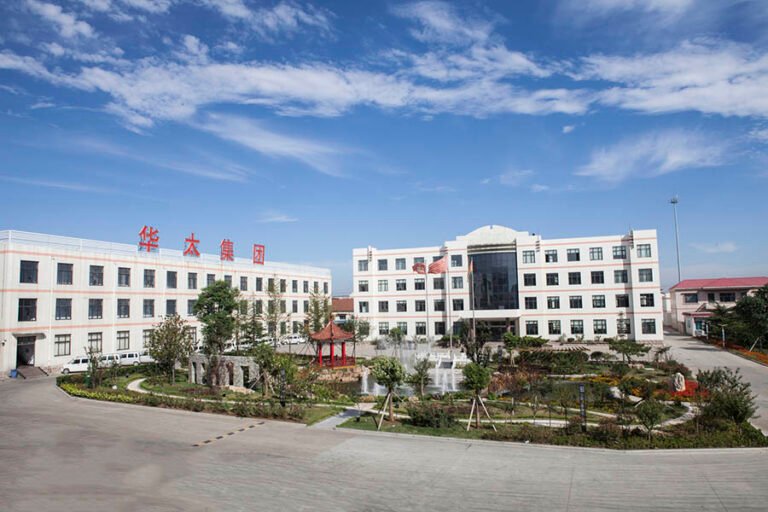
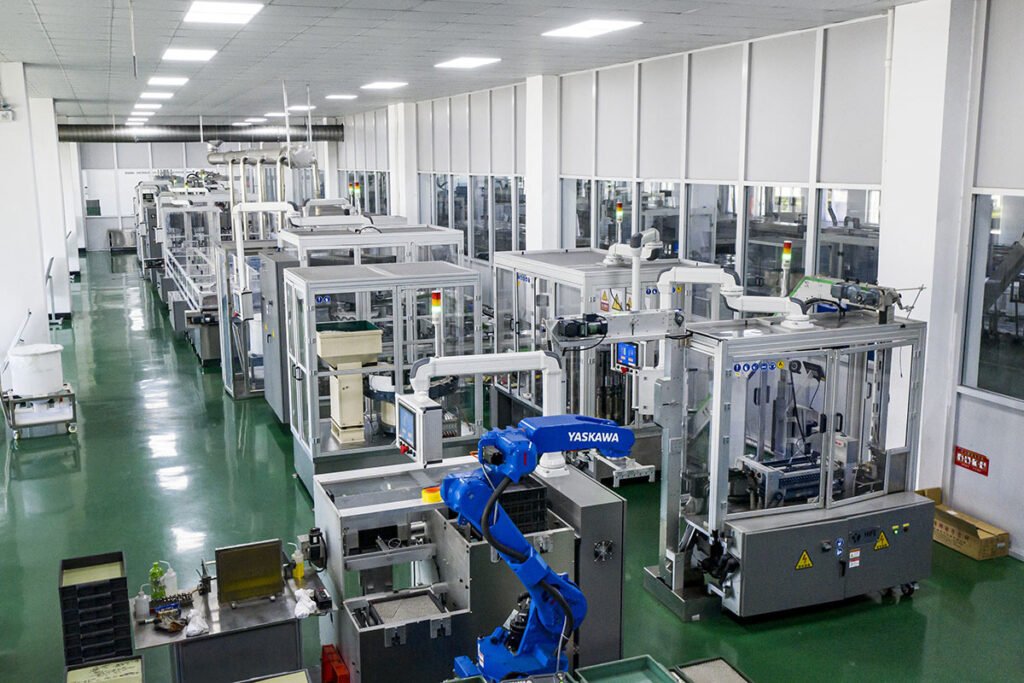
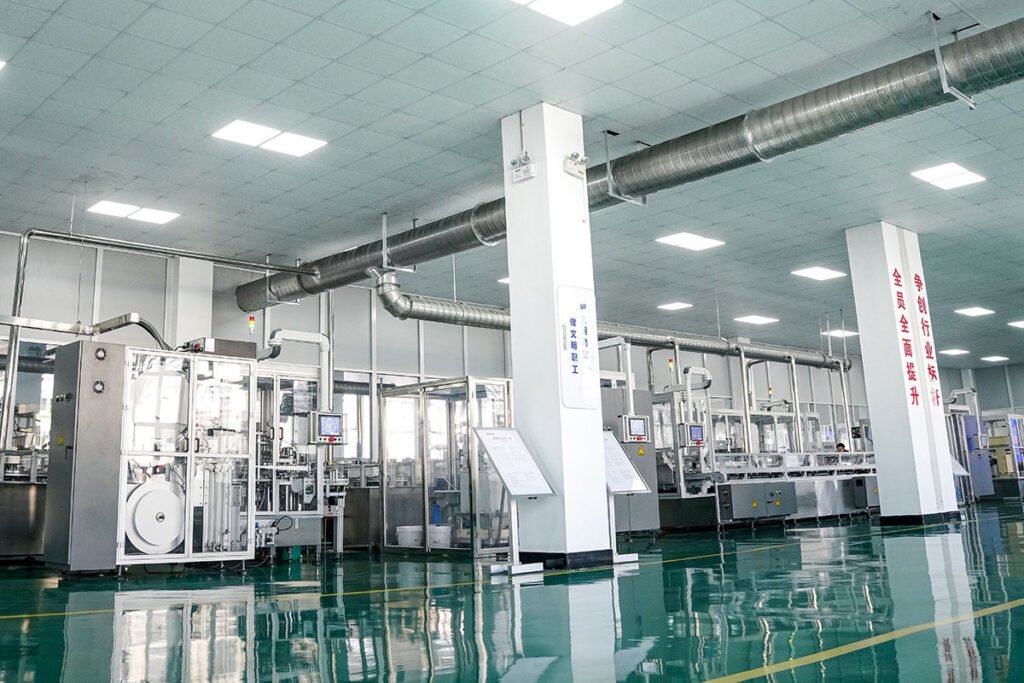
Shandong Linyi Huatai New Energy Battery Co., Ltd. was established in May 1993,but our factory’s history can date back to the establishment of the Linyi Battery Plant in 1956.We are currently one of the leading Eco-friendly & Mercury-free alkaline battery manufacturers and lithium battery manufacturers in China and the world’s largest heavy duty zinc-carbon batteries manufacturer & factory. Our products are produced with HUATAI, Power Flash and KINGCELL brands and customer’s private label, supplied 6 billion annual output by HIBAR high-speed automated production lines, offering OEM solutions for zinc carbon, alkaline, and lithium batteries worldwide.

Chile is one of the most distinctive battery markets in South America. Unlike markets where battery demand is dominated by low-cost household dry cells, Chile combines a mature consumer market with rapidly expanding renewable-energy, electromobility and battery-energy-storage applications.
For importers and distributors, this creates demand for carbon zinc batteries, alkaline batteries, lithium primary batteries, rechargeable NiMH batteries and lithium-ion or LiFePO4 battery systems. The country’s long geography, strong mining and industrial base, large-scale solar development and growing energy-storage sector also create opportunities beyond conventional AA and AAA batteries.
Chile is also developing a more comprehensive regulatory framework for battery waste under its Extended Producer Responsibility (REP) system. In 2026, Chile’s Ministry of Environment published a draft decree proposing collection and recovery targets for batteries, while the final decree is still under development. The Ministry announced in August 2026 that the deadline for preparing the decree had been extended to January 29, 2027.
For Chinese battery manufacturers, Chile therefore requires a product strategy that combines quality, technical documentation, environmental compliance, long shelf life and cost competitiveness.
Why the Chile Battery Market Is Different from Other South American Markets
Chile has a relatively sophisticated economy and an unusually strong renewable-energy sector. Its geography stretches from the Atacama Desert in the north to colder southern regions, creating very different operating and distribution environments.
The country’s battery market can be divided into two broad layers.
The first is the conventional consumer battery market:
- Carbon zinc AA and AAA batteries
- Alkaline AA and AAA batteries
- C and D batteries
- 9V batteries
- Button batteries
- Lithium primary batteries
- Rechargeable NiMH batteries
The second is the rapidly developing new-energy segment:
- Lithium-ion batteries
- LiFePO4 batteries
- Residential energy storage
- Commercial and industrial BESS
- Solar-plus-storage systems
- Electric mobility batteries
- Backup power systems
This means a Chinese supplier entering Chile should not assume that the market can be addressed with a single battery chemistry.
| Chile battery segment | Main products | Typical applications | Purchasing priorities |
| Economy consumer | Carbon zinc | Clocks, remotes, radios, basic toys | Price, shelf life |
| Mainstream consumer | Alkaline | Toys, flashlights, electronics | Runtime, reliability |
| Specialty | Lithium primary, button cells | Sensors, electronics | Energy density, stability |
| Rechargeable | NiMH, Li-ion | Consumer and commercial equipment | Cycle life, safety |
| Energy storage | Li-ion, LiFePO4 | Solar, backup, BESS | Safety, cycle life, system integration |
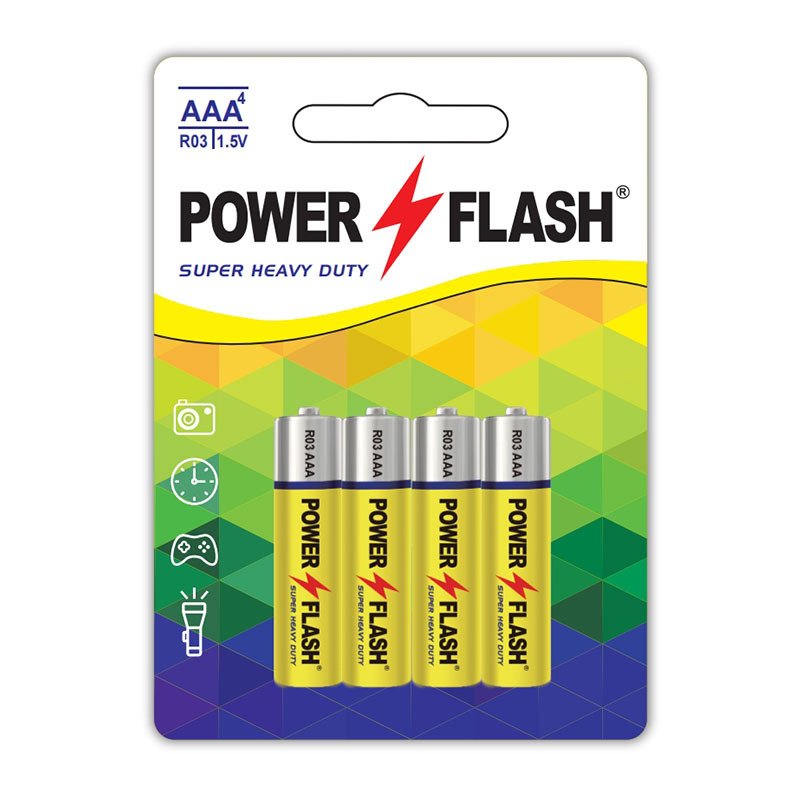
Carbon Zinc Batteries Still Have a Commercial Role in Chile
The growth of lithium and energy-storage technologies does not mean that traditional dry batteries have disappeared.
Carbon zinc batteries in Chile remain useful for low-drain and intermittent-use applications where the consumer places a strong emphasis on affordability.
Typical applications include:
- Remote controls
- Wall clocks
- Radios
- Basic toys
- Low-power flashlights
- Household devices
- Promotional products
For wholesalers and private-label distributors, carbon zinc can provide an important economy-level product.
The key is to position it correctly. A carbon zinc battery does not need to compete directly with a premium alkaline battery in every application. Instead, it can serve products where higher discharge performance provides limited additional value.
Carbon Zinc vs. Alkaline Batteries for Chile
| Factor | Carbon Zinc | Alkaline |
| Unit cost | Lower | Higher |
| Low-drain devices | Suitable | Excellent |
| Higher-drain devices | More limited | Better |
| Economy retail | Strong | Moderate |
| Mainstream retail | Suitable | Strong |
| Private label | Strong potential | Strong potential |
| Best positioning | Value/volume | Performance/value |
A distributor that carries both technologies can therefore address different consumer budgets without forcing every customer into the same product category.
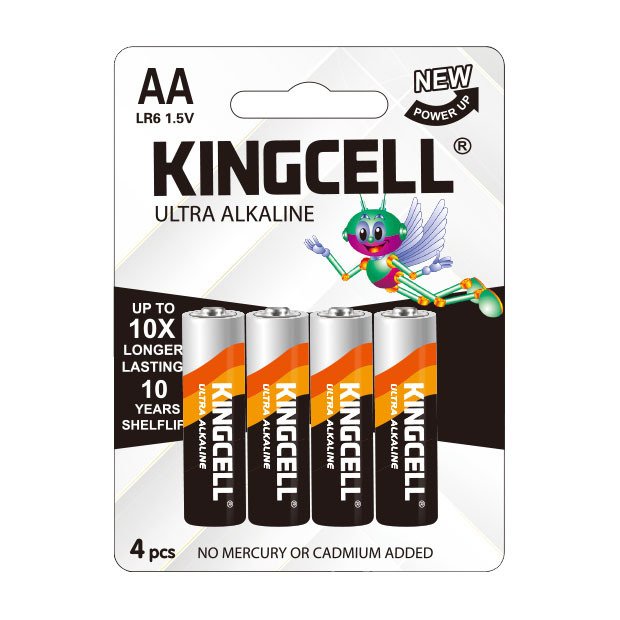
Alkaline Batteries Are the Mainstream Performance Upgrade
Alkaline batteries in Chile are well suited to consumers who expect longer runtime and stronger discharge performance.
AA and AAA alkaline batteries can serve toys, wireless accessories, flashlights, household electronics and many other consumer devices. C, D and 9V batteries remain useful for applications requiring different physical formats or greater capacity.
For a Chilean distributor building a private-label battery portfolio, a practical range could include:
- Carbon zinc AA/AAA
- Alkaline AA/AAA
- Carbon zinc C/D/9V
- Alkaline C/D/9V
- Lithium button cells
- Rechargeable NiMH AA/AAA
- Selected lithium primary batteries
This creates a clear economy → mainstream → specialty product structure.
Chile’s Geography Makes Battery Shelf Life Important
Chile’s geography creates a special supply-chain environment.
The country is more than 4,000 kilometers long, and climatic conditions vary substantially between northern desert areas, central Chile and the southern regions.
For battery importers, the relevant issue is not simply operating temperature during consumer use. Batteries may also spend time in:
international transportation → port storage → importer warehouse → regional distribution → retail inventory.
This makes shelf life, sealing quality and leakage resistance important commercial considerations.
For carbon zinc and alkaline batteries, Chilean importers should evaluate:
- Shelf life
- Leakage resistance
- Sealing technology
- Storage-temperature recommendations
- Voltage stability
- Batch consistency
- Packaging durability
For a low-cost battery, leakage can turn a seemingly attractive FOB price into a more expensive product after retailer complaints and replacement costs.
Chile’s Battery Recycling Framework Is Moving Toward Stronger Producer Responsibility
Chile has already established a broader Extended Producer Responsibility framework through Law No. 20.920, commonly known as the REP Law.
Batteries are one of the priority products under this framework, and the Ministry of Environment is developing a specific decree establishing collection and recovery targets.
In February 2026, the Ministry published a draft decree for public consultation. The proposal distinguishes batteries weighing 5 kg or more from smaller cells or “piles” and identifies three major categories: lead-acid batteries, lithium-ion batteries and other battery chemistries.
The proposal would place obligations on producers that introduce covered batteries into the Chilean market and would establish collection and recovery systems financed by those producers.
However, this point needs to be handled carefully in a commercial article: the battery decree is not yet final as of September 2026.
The Ministry announced in August 2026 that the preparation period for the final Supreme Decree had been extended to January 29, 2027, following extensive public consultation and review of industry comments.
Therefore, Chilean importers should distinguish between:
- Current REP obligations
- The draft battery-specific decree
- Future obligations that may apply after final publication
A Chinese supplier should avoid promising that a product “already meets the final Chile battery REP rules” when those final rules are still under development.
Lithium Batteries Are Becoming Much More Important in Chile
Chile is particularly important for the lithium battery market in South America because its energy transition is closely connected with solar generation, storage and electromobility.
The country’s Ministry of Energy identifies energy storage as an important part of Chile’s electricity-system development. Chile’s Law 21.505 on energy storage and electromobility enables energy-storage systems to participate in the electricity and capacity markets and also recognizes electric vehicles as energy-storage systems, including provisions supporting vehicle-to-grid applications.
This creates opportunities for several types of lithium battery products:
- LiFePO4 solar batteries
- Residential ESS
- Commercial ESS
- Industrial BESS
- Backup power batteries
- Telecom batteries
- Electric mobility batteries
- Portable power stations
The opportunity is not theoretical. In May 2026, Chile’s Ministry of Energy inaugurated a photovoltaic project in Tarapacá incorporating a 200 MW BESS, designed to store surplus solar electricity for later use during periods of higher demand.
In June 2026, the Ministry also reported progress on the BESS system at the Punta de Talca wind farm in Ovalle. The wind project has 83 MW of installed generation capacity and the battery system is intended to improve management of renewable generation.
These projects illustrate an important difference between Chile and many conventional consumer-battery markets: battery storage is becoming part of the country’s core electricity infrastructure.

Solar Energy and Battery Storage Create Regional Opportunities
Northern Chile, particularly the Atacama region, has some of the world’s strongest solar resources.
This has encouraged large-scale photovoltaic development, but high solar generation also creates a need to shift electricity from periods of high production to periods of higher demand.
Battery energy storage is therefore increasingly connected with solar development.
In May 2026, Chile’s Ministry of Energy reported the completion of construction of the BESS Los Loros, a 46 MW / 230 MWh system in Atacama designed to improve the management of solar energy and strengthen system stability.
For Chinese battery manufacturers, this creates two distinct business opportunities.
Consumer Battery Opportunity
- Carbon zinc
- Alkaline
- Button lithium
- NiMH rechargeable
New-Energy Battery Opportunity
- Li-ion
- LiFePO4
- Solar ESS
- BESS
- Backup power
- Electric mobility
A manufacturer that can serve both segments has a wider potential customer base than a factory specializing exclusively in disposable batteries.
What Should Chilean Importers Ask a China Battery Supplier?
Before placing an order, Chilean buyers should request more than a quotation.
A practical supplier qualification checklist includes:
| Supplier information | Why it matters |
| Product datasheet | Confirms voltage, capacity and application |
| IEC test reports | Supports technical evaluation |
| Heavy-metal test data | Important for environmental compliance |
| Shelf-life data | Important for imported inventory |
| Leakage-resistance data | Reduces after-sales risk |
| Safety documentation | Important for lithium products |
| UN38.3 | Required for applicable lithium transport |
| OEM specifications | Ensures repeat-order consistency |
| Packaging artwork | Supports local-market requirements |
| Production traceability | Helps manage quality issues |
For lithium and LiFePO4 products, buyers should additionally evaluate:
- Cell chemistry
- Cell manufacturer
- Battery-management system
- Cycle-life data
- Thermal protection
- Overcharge/over-discharge protection
- UN38.3 documentation
- Installation requirements
- Warranty terms
The higher the battery value, the more important technical due diligence becomes.

Chile Requires Different Product Strategies for Different Applications
One common mistake is to assume that Chile’s advanced renewable-energy market means every battery customer wants lithium.
That is not the case.
A household buying batteries for a remote control has a completely different purchasing requirement from a solar developer purchasing a 100 MWh BESS.
The product decision should therefore be application-driven.
| Customer requirement | Recommended technology |
| Lowest purchase price | Carbon zinc |
| General household performance | Alkaline |
| Specialty compact electronics | Lithium primary |
| Frequent reusable applications | NiMH |
| Residential solar storage | LiFePO4 / Li-ion |
| Commercial energy storage | Li-ion / LiFePO4 |
| Large renewable-energy projects | BESS |
This segmentation is particularly useful for Chilean distributors that want to build a battery business covering both traditional retail and new-energy applications.
OEM and Private Label Battery Opportunities in Chile
Chile’s developed retail market can provide opportunities for private-label battery brands from China.
A distributor does not need to launch a complete portfolio immediately. A staged approach can reduce inventory risk.
Stage 1: Consumer Core
- Carbon zinc AA/AAA
- Alkaline AA/AAA
- Alkaline C/D/9V
Stage 2: Higher-Value Consumer Products
- Lithium button cells
- Lithium primary batteries
- NiMH rechargeable batteries
Stage 3: New Energy
- LiFePO4 batteries
- Residential ESS
- Commercial battery systems
- BESS solutions
This approach allows a local distributor to build its brand gradually while matching products to actual demand.
For OEM projects, the supplier should confirm battery chemistry, discharge performance, capacity, dimensions, packaging, labeling, shelf life and compliance documentation before mass production.
Why Huatai Battery Is More Than a Carbon Zinc Battery Manufacturer
For a Chilean importer searching for a top China battery manufacturer, Huatai Battery’s historical carbon-zinc strength is only one part of the story.
Huatai’s industrial heritage can be traced back to Linyi Battery Factory, established in 1956.
Over more than six decades, the business has developed from traditional dry-battery manufacturing into a comprehensive battery manufacturer serving international markets.
Historically, Huatai became known as one of the world’s largest carbon zinc battery manufacturers. That remains an important part of its manufacturing heritage, but it is no longer sufficient to describe the company’s current capabilities.
Today, Shandong Huatai New Energy Battery Co., Ltd. covers:
- Carbon zinc batteries
- Alkaline batteries
- Lithium primary batteries
- Rechargeable NiMH batteries
- Li-ion batteries
- LiFePO4 batteries
- Sodium-ion battery products
- Solar batteries
- Energy-storage batteries
- OEM and private-label battery solutions
Huatai has more than 40 production lines and seven component workshops, with high-speed alkaline battery production capabilities.
For Chilean customers, this broader portfolio is particularly relevant because the country’s battery market is developing in two directions at once: conventional consumer batteries remain necessary, while lithium storage and electromobility are becoming increasingly important.
What Makes a Good China Battery Supplier for Chile?
For Chilean importers, supplier selection should be based on more than factory price.
Manufacturing Capability
The supplier should have genuine production capacity rather than relying primarily on third-party sourcing.
Product Breadth
A supplier capable of carbon zinc, alkaline, rechargeable and lithium batteries can support different market segments.
Compliance Support
The supplier should be able to provide technical, environmental and transport documentation relevant to each battery category.
Quality Consistency
The same specification should remain stable from the first OEM order through repeat container shipments.
Long-Term Development
As Chile expands battery storage and electromobility, a supplier capable of supporting both primary and rechargeable/new-energy products can become more useful over time.

FAQs About the Chile Battery Market
1. Are carbon zinc batteries still in demand in Chile?
Yes. Carbon zinc batteries remain appropriate for low-drain applications such as clocks, remote controls, radios and basic toys. They can provide a cost-effective option for economy-oriented retail and wholesale channels.
2. Should Chilean distributors import carbon zinc or alkaline batteries?
Both can have a role. Carbon zinc is more appropriate for low-drain and price-sensitive applications, while alkaline is generally better suited to products requiring longer runtime or stronger discharge performance.
3. Is Chile developing new battery recycling requirements?
Yes. Batteries are already a priority product under Chile’s REP framework, and a battery-specific decree is being developed. A draft was published for consultation in 2026, but the final decree had not yet been issued as of September 2026. The Ministry of Environment extended the preparation period to January 29, 2027.
4. Will Chile’s new battery REP rules cover lithium-ion batteries?
The 2026 draft specifically proposes including lithium-ion batteries weighing 5 kg or more among the battery categories subject to collection and recovery targets. However, because the decree remains under development, importers should verify the final scope and obligations after publication.
5. Is lithium battery demand growing in Chile?
Yes. Chile’s energy policy is increasingly incorporating energy storage and electromobility. The country’s regulatory framework enables energy-storage systems to participate in electricity markets, while large solar and wind projects are being paired with BESS systems.
6. Why is LiFePO4 suitable for some Chilean energy-storage applications?
LiFePO4 is widely used in stationary energy-storage applications because of its combination of cycle life, thermal characteristics and safety profile. For a specific Chilean project, however, battery chemistry should be selected according to the required capacity, operating conditions, system design and applicable regulations.
7. Can a Chinese battery manufacturer provide private-label batteries for Chile?
Yes. A capable Chinese manufacturer can develop private-label carbon zinc, alkaline, rechargeable and lithium products. The OEM project should define specifications, packaging, labeling, testing and compliance requirements before production.
8. Why is Chile an important market for Chinese lithium battery manufacturers?
Chile combines strong renewable-energy development with increasing demand for energy storage and electromobility. In 2026, the country continued commissioning and developing large BESS projects, including systems connected to solar and wind generation.

Conclusion: Chile Connects Traditional Batteries with the New Energy Market
The Chile battery market is different from many other South American markets because it combines two very different opportunities.
The traditional consumer segment continues to require carbon zinc, alkaline, button and rechargeable batteries for household, retail and commercial applications. At the same time, Chile’s strong renewable-energy resources are creating a rapidly developing market for lithium batteries, LiFePO4 systems and large-scale battery energy storage.
For importers, this means product selection should be based on application rather than simply choosing the most advanced battery technology.
Carbon zinc can serve the economy segment. Alkaline can address mainstream consumer applications. Lithium primary batteries can serve specialty devices. Rechargeable batteries can target frequent-use applications, while LiFePO4 and lithium-ion systems can address solar storage, backup power, electromobility and BESS.
Regulatory preparation is equally important. Chile’s battery-specific REP framework is still being finalized, and the current 2026 draft shows a clear direction toward stronger producer responsibility, collection, recovery and traceability.
For a top China battery manufacturer for Chile, therefore, the strongest supply proposition is not simply low-cost dry batteries. It is the ability to provide stable manufacturing, competitive consumer batteries, reliable lithium products, technical documentation, OEM/private-label support and long-term new-energy battery capabilities.
With manufacturing roots reaching back to the 1956 Linyi Battery Factory, Huatai Battery has evolved from its historical position as a major carbon zinc battery producer into a comprehensive battery manufacturer covering alkaline, lithium, rechargeable and new-energy battery products. That broader capability fits the increasingly diversified structure of the Chilean battery market.